Quirinale contemporaneo


1 / 2
Since 2019, contemporary art has entered the official residences of the President of the Italian Republic and is now an integral and permanent part of the reality of these places. The Quirinal Palace, the Tenuta Castelporziano and, to a lesser extent, Villa Rosebery now house more than two hundred contemporary works of art and design: numbers that are constantly destined to grow, given the project’s future goals.
The two works by Piero Dorazio installed in the Hercules Room, both from 1996, explore a theme that the artist had been addressing in his work since the 1940s. In his early graphic experiments inspired by the imagery and theories of Vasilij Kandinskij, the artist introduced the study of concentric forms and of the spatial possibilities that such structures offer to light and color. While in these early investigations the theme was developed as a detail within larger compositions, from 1994 onwards it became an autonomous element of the painting. Drawing on his ethnological and geographical culture, which is amply reflected in his private library and collection of maps, Dorazio imbues these works with reminiscences of Middle Eastern textiles and Indian mandalas. These compositional characteristics are reinforced by the choice of titles for this series, which sometimes refer to the capitals of distant countries along the Silk Road, and at other instances to the terminology of ancient Greece. Lop Nor is titled after a now-dried-up salt lake located in a desert in China, in one of its most desolate, arid and barren areas. From the 1960s onwards, this region was the site of nuclear tests, which came to an end in 1996, the year the painting was made. With its shades of red and brown recalling the colors of the earth, and its deep blues and greens in multiple hues, Lop Nor is at once an optical chamber that projects the geographical suggestions of the place and a labyrinth that explores its mystery. In Senza fine (Endless), Dorazio takes up part of a title he frequently used in the mid-1960s for a series of works inspired by the work of his friend, the Austro-American architect Frederick Kiesler, who designed an unrealized project for a curvilinear house, the Endless House. In this painting, the choice of multiple shades of red intermingled with other colors, accentuates the centripetal force of the motif, drawing the viewer’s eye into the core of the vortex and leading it into a space that seems to lose itself, indeed, without end.
Other news
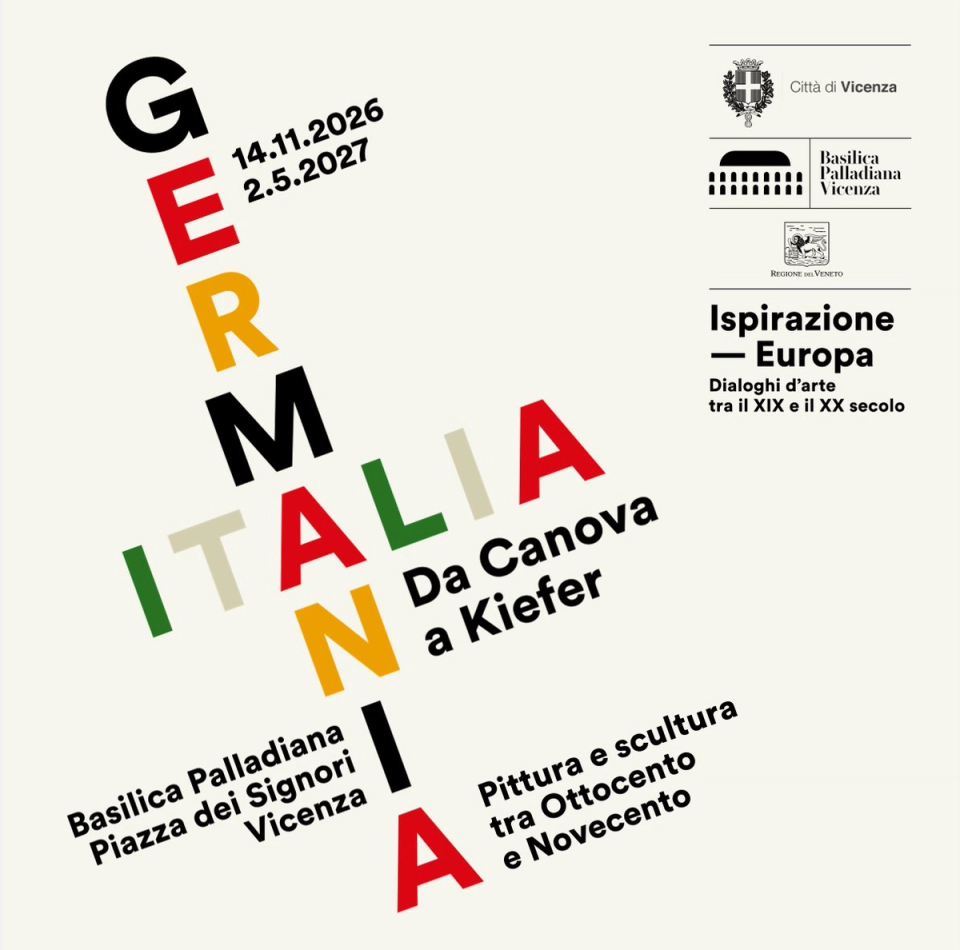
Exhibitions
Exhibition 'Italy Germany. Painting and Sculpture from the 19th and the 20th Centuries. From Canova to Kiefer' curated by Gabriella Belli and Valerio Terraroli
Not just artistic masterpieces, but stories of encounters, journeys, influences and visions that have crossed borders. From this idea comes Ispirazione Europa, an international project spanning five centuries of cultural and artistic history, centering on artists, ideas and relationships that have contributed to shaping the European spirit.
Basilica Palladiana, Vicenza, Italy
November 14, 2026 – May 2, 2027
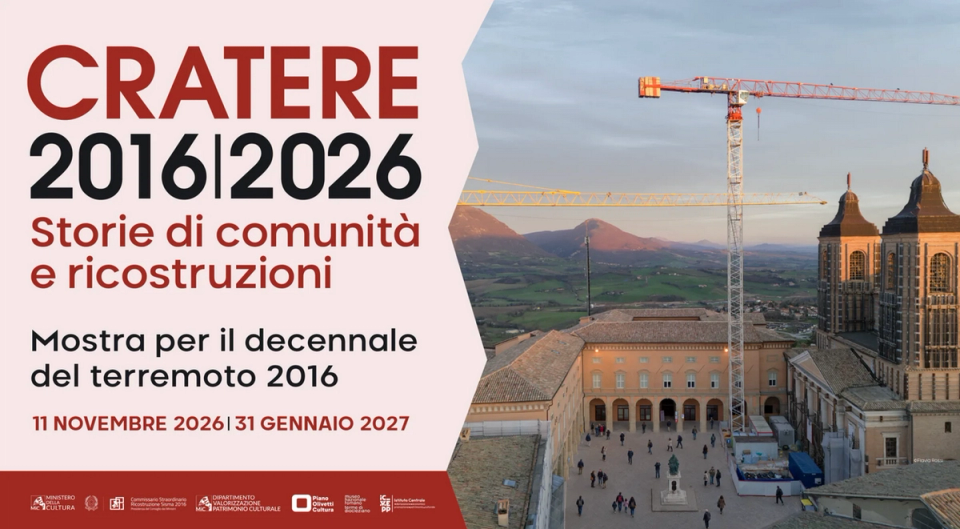
Exhibition 'Crater 2016–2026. Stories of communities and reconstruction'
A space for reflection on the transformations currently taking place and on the prospects for rebirth, in which the languages of oral history, anthropology and contemporary art come together to form a collective, grassroots narrative.
Terme di Diocleziano, Rome
November 11, 2026 – January 31, 2027
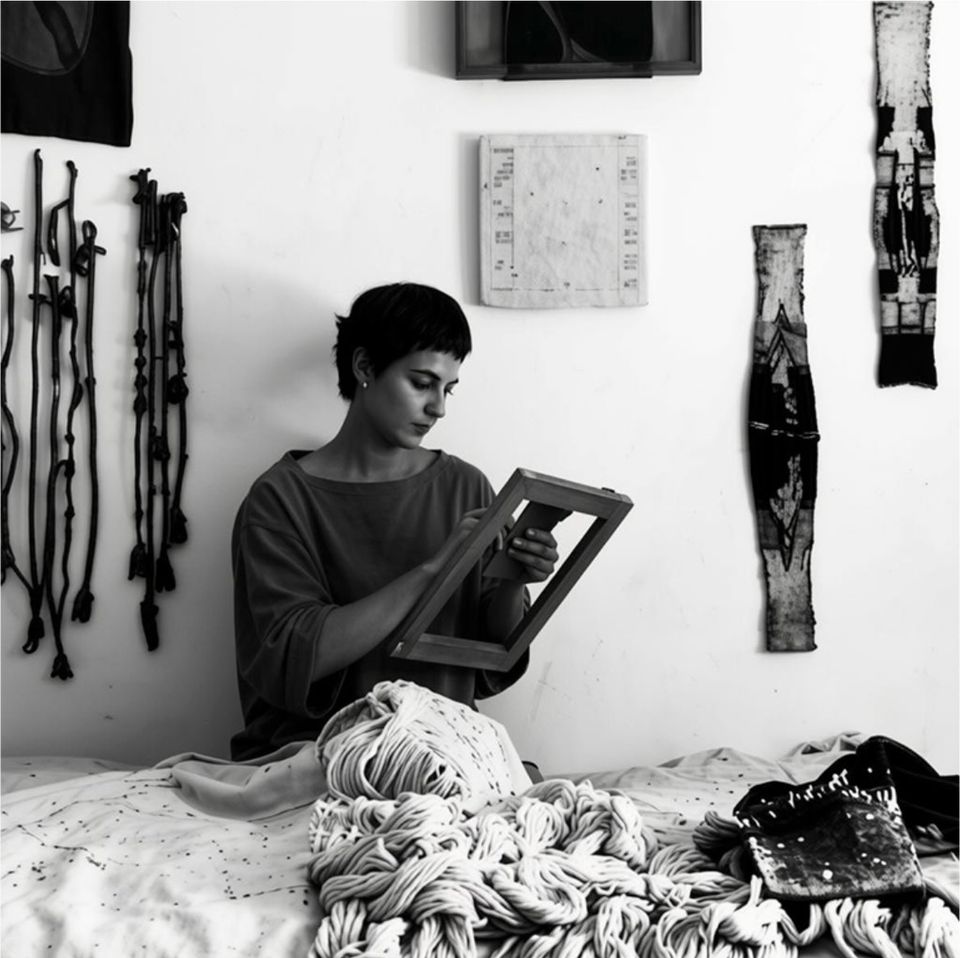
Exhibitions
Exhibition ‘Sheila Hicks / Piero Dorazio. Interlacing colours’ curated by Silvia Bignami
This exhibition stems from a previously unpublished memory of Sheila Hicks: her first encounter with Piero Dorazio in Milan in May 1962.
Project Room, PAC Padiglione d’Arte Contemporanea, Milan
November 17, 2026 – February 14, 2027
